How to Find a Local Airsoft Field or Team Near You
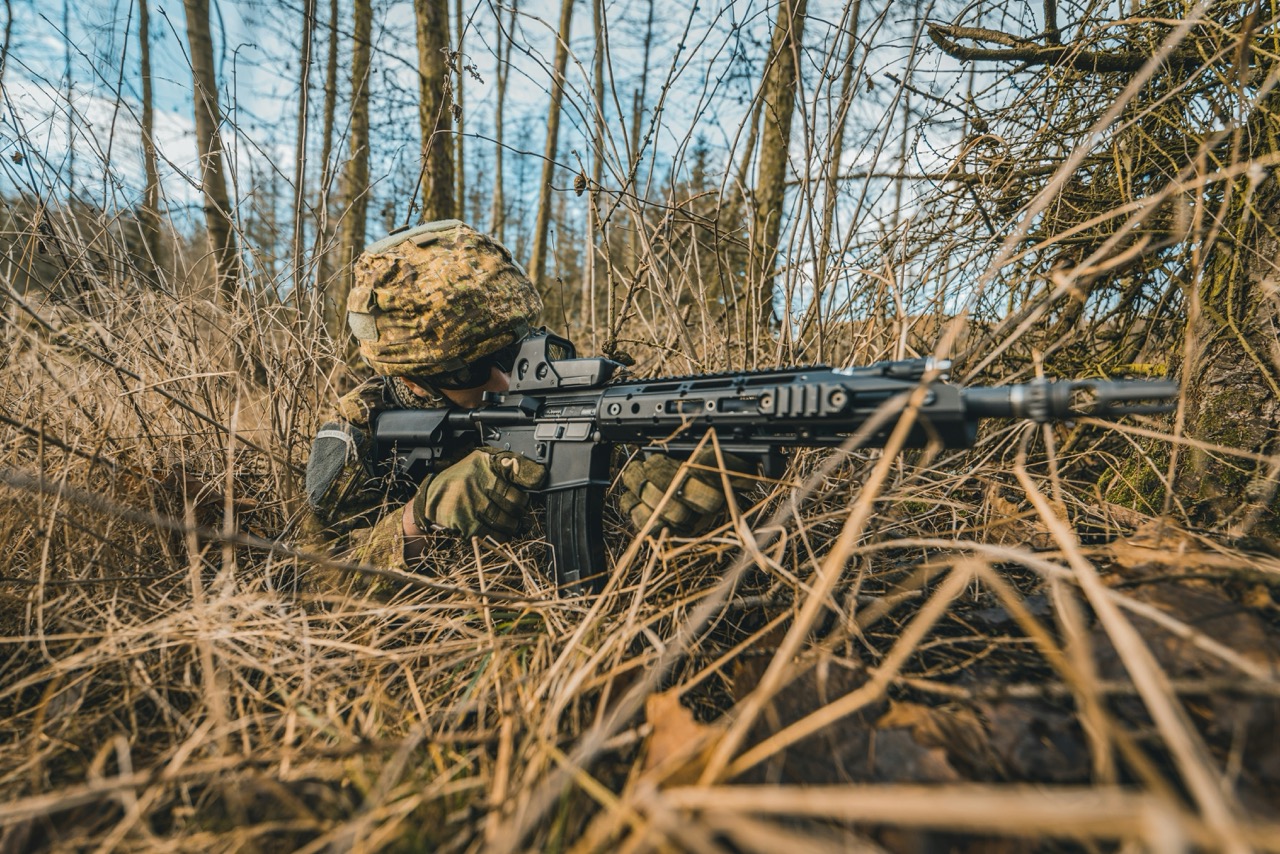
Finding a place to actually play is often the biggest hurdle for new airsoft enthusiasts, especially outside major cities where fields aren't always well advertised. Here's a practical approach to tracking one down.
Start With a Basic Search, Then Widen It
A simple search for "airsoft field" plus your city or region is the obvious first step, but don't stop there if nothing turns up immediately. Try broader regional terms, nearby larger towns, and even paintball field listings, since a meaningful number of multi-sport recreational properties run both paintball and airsoft programs on different days or in different sections of the same land.
Check Online Communities
Regional and national airsoft communities online are often the fastest way to find current, accurate information, since field hours, pricing, and even whether a field is still operating can change faster than a website gets updated. Local community groups will also usually know about smaller, less formally advertised private fields that don't show up in general search results at all.
Look for Rental Programs Specifically
When evaluating a field, prioritize ones offering rental packages if you're still new. A rental day lets you test the sport, and often that specific field's community and vibe, without the upfront cost of a full personal loadout. Call ahead rather than just checking a website, since rental gun availability can be limited on busy weekends.
Evaluate the Field's Safety Culture
Before committing to a field, it's worth asking a few direct questions: Do they chronograph every replica before play? Is rated eye protection mandatory and checked at entry? What's their minimum engagement distance policy? Fields that take these questions seriously and answer them readily are generally the ones running a genuinely safe operation. This matters because the injury risks the sport carries, particularly eye trauma, are well documented as largely preventable when protective equipment and engagement rules are consistently enforced, as reflected in research on sports-related ocular injuries from the National Institutes of Health. A field that treats these rules loosely is a field where that documented risk stops being theoretical.
Finding a Team Once You've Found a Field
- Ask field staff directly; they usually know which teams are actively recruiting
- Attend a few open, non-team-affiliated games first to meet regular players organically
- Look for teams matching your preferred play style (milsim, speedsoft, casual weekend skirmishing) rather than joining the first group that asks
- Be upfront about being new; most established teams remember being new once too and are generally patient with newcomers who are honest about their experience level
Consider Distance and Frequency Realistically
A field two hours away sounds fine in theory but tends to get visited a handful of times a year in practice. If you have a choice between a slightly less impressive field close to home and an excellent one much farther away, the closer option often wins simply because you'll actually go regularly, and regular play is what builds the skills, gear familiarity, and community connections that make the hobby genuinely rewarding.
What to Bring on a Scouting Visit
If a field allows spectators or has an open house day, go watch before you play. Bring questions about their chronograph process, their eye protection policy at entry, and whether they enforce rated eyewear consistently rather than just posting a sign about it. A field that answers these questions specifically and confidently, rather than vaguely, is usually one that takes the safety fundamentals seriously, the same fundamentals reflected in the consensus standards OSHA references for eye and face protection in workplace settings, since preventable eye injuries are exactly the outcome those enforced rules exist to avoid.
Once You've Found Your Spot
Show up a few times before judging the community too harshly on a single visit; every field has an adjustment period as you learn its specific rules, terrain, and regular players. Consistency is what turns "a field I tried once" into "my field," and it's usually the fastest route to finding a team, a regular gear-trading network, and the kind of local knowledge, best BB brands for that field's terrain, which vendors locals trust, that only comes from showing up consistently over time.
More from the blog
All posts →Essential Tools Every Airsoft Technician Should Own
A well-stocked toolbox turns gearbox surgery from a stressful gamble into a routine afternoon project.
August 26, 2026How to Clean and Maintain Your Airsoft Gun
A regular cleaning routine keeps your airsoft replica shooting straight and lasting longer, and most of it takes less time than a single game rotation.
August 25, 2026Radio Communication Basics for Airsoft Teams
A beginner-friendly introduction to using radios in airsoft: call signs, brevity, and the basic discipline that keeps a channel useful instead of chaotic.
August 24, 2026