Airsoft Barrel Length and Its Effect on Range and Accuracy
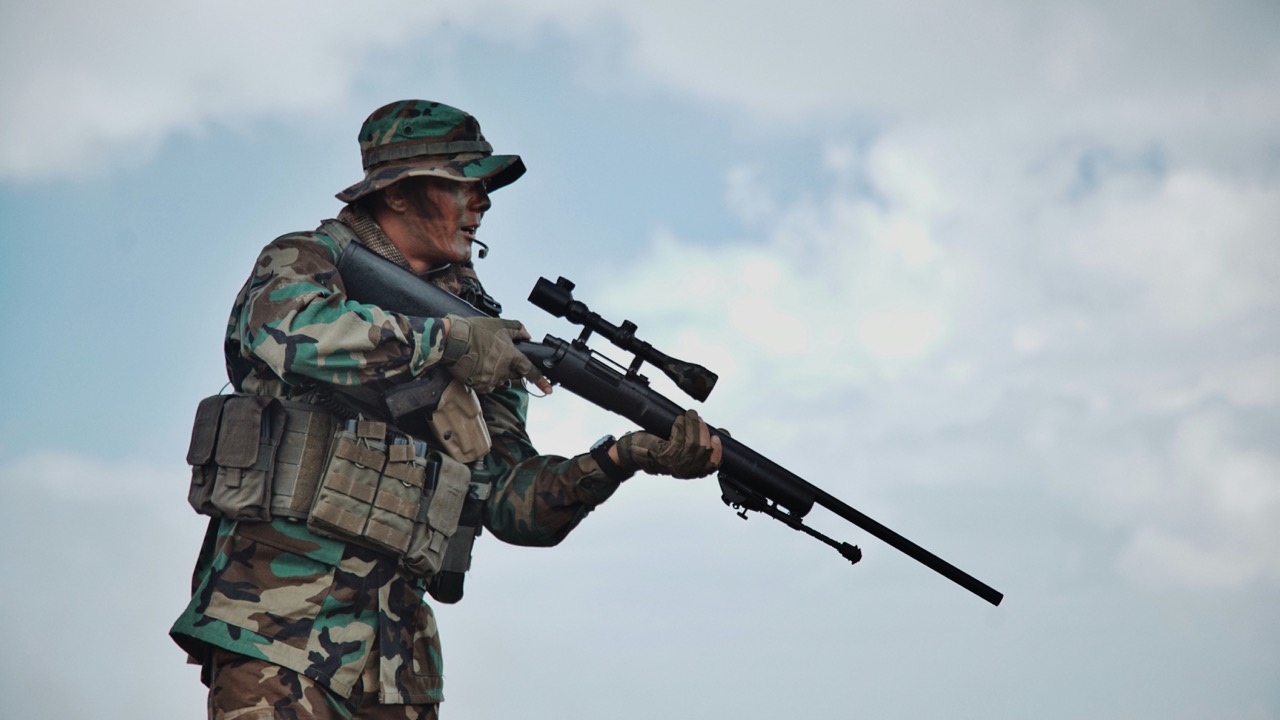
It's tempting to assume a longer barrel simply means longer range, the same intuition many people carry over from firearms. In airsoft, the relationship is more nuanced, and barrel length interacts with several other internal factors in ways that matter more than raw length alone.
How Barrel Length Affects Air Pressure Behind the BB
An airsoft shot works by releasing a pocket of compressed air behind the BB, pushing it down the barrel. A longer barrel gives that air pocket more distance to continue accelerating the BB, up to a point. Beyond a certain length relative to the cylinder's air volume, the air pressure behind the BB drops off before it exits the muzzle, meaning added length stops contributing meaningful velocity and can even introduce more friction than benefit. Matching barrel length to cylinder volume (often described in terms of cylinder-to-barrel ratio) is a foundational concept in AEG tuning precisely because of this relationship.
Inner Barrel Diameter Matters as Much as Length
Beyond length, inner barrel diameter (commonly called bore size) affects how tightly the barrel seals around a BB. A tighter bore generally improves consistency and can improve range by reducing air leakage around the BB as it travels, though an excessively tight bore increases friction and can hurt consistency if BBs don't pass through smoothly. Barrel diameter and BB quality need to be reasonably matched for a tight bore to actually deliver its theoretical benefit.
Barrel Length and Hop-Up Interaction
A longer barrel also gives the hop-up unit's applied backspin more distance to stabilize before the BB exits, which can meaningfully improve consistency of the Magnus-effect lift that flattens trajectory. This is part of why DMR and sniper-oriented builds often pair a longer barrel with a carefully tuned hop-up unit, the combination amplifies the benefit of both components rather than either alone.
Practical Effects by Build Type
- CQB / speedsoft builds: Often favor shorter barrels for handling and maneuverability, accepting a shorter effective range in exchange
- General field rifles: A moderate, well-matched barrel length balances range with practical handling
- DMR / sniper builds: Frequently use longer, tight-bore barrels paired with heavier BBs and a carefully tuned hop-up to maximize consistent long-range performance
Diminishing Returns and Overkill Upgrades
A common beginner mistake is assuming the longest available aftermarket barrel is automatically an upgrade. Past the point where cylinder volume can no longer effectively push air down the added length, that extra barrel mostly just adds weight and friction without a real range benefit. A barrel matched sensibly to your gearbox's cylinder type will usually outperform an oversized one paired incorrectly.
Why Barrel Cleaning Affects Consistency More Than People Expect
A barrel's internal surface accumulates residue from BB fragments, dust, and the fine lubricant film used in hop-up buckings over time, and a dirty bore can quietly undo the benefit of an otherwise well-matched barrel and hop-up setup. Debris inside the barrel disrupts the smooth, consistent air seal a tight bore is designed to provide, which shows up as inconsistent range and erratic accuracy that's easy to mistake for a hop-up or spring problem. Running a cleaning rod with a soft patch through the barrel periodically, especially after a dusty outdoor field day, is a simple maintenance step that's often overlooked entirely by players who are quick to blame internals for performance issues that a five-minute cleaning would have resolved. This is worth checking before assuming a barrel or hop-up upgrade is needed at all.
Range Upgrades and Field Rules Together
Whatever range gains a barrel upgrade delivers, they don't change the fundamentals of safe play. Extended effective range still needs to respect a field's minimum engagement distance rules and overall FPS limits, and every shot, regardless of the distance it travels, still carries the same impact risk to unprotected eyes that mandatory rated eyewear is designed to address, per the consensus safety standards OSHA references for eye and face protection. National survey data on protective eyewear use during recreational activities also suggests that gear compliance, not just gear existence, is where most of the real-world gap in protection actually shows up, per a study published in Ophthalmic Epidemiology. A more accurate, longer-ranged replica is a genuine performance upgrade, not a safety exemption.
More from the blog
All posts →Essential Tools Every Airsoft Technician Should Own
A well-stocked toolbox turns gearbox surgery from a stressful gamble into a routine afternoon project.
August 26, 2026How to Clean and Maintain Your Airsoft Gun
A regular cleaning routine keeps your airsoft replica shooting straight and lasting longer, and most of it takes less time than a single game rotation.
August 25, 2026Radio Communication Basics for Airsoft Teams
A beginner-friendly introduction to using radios in airsoft: call signs, brevity, and the basic discipline that keeps a channel useful instead of chaotic.
August 24, 2026