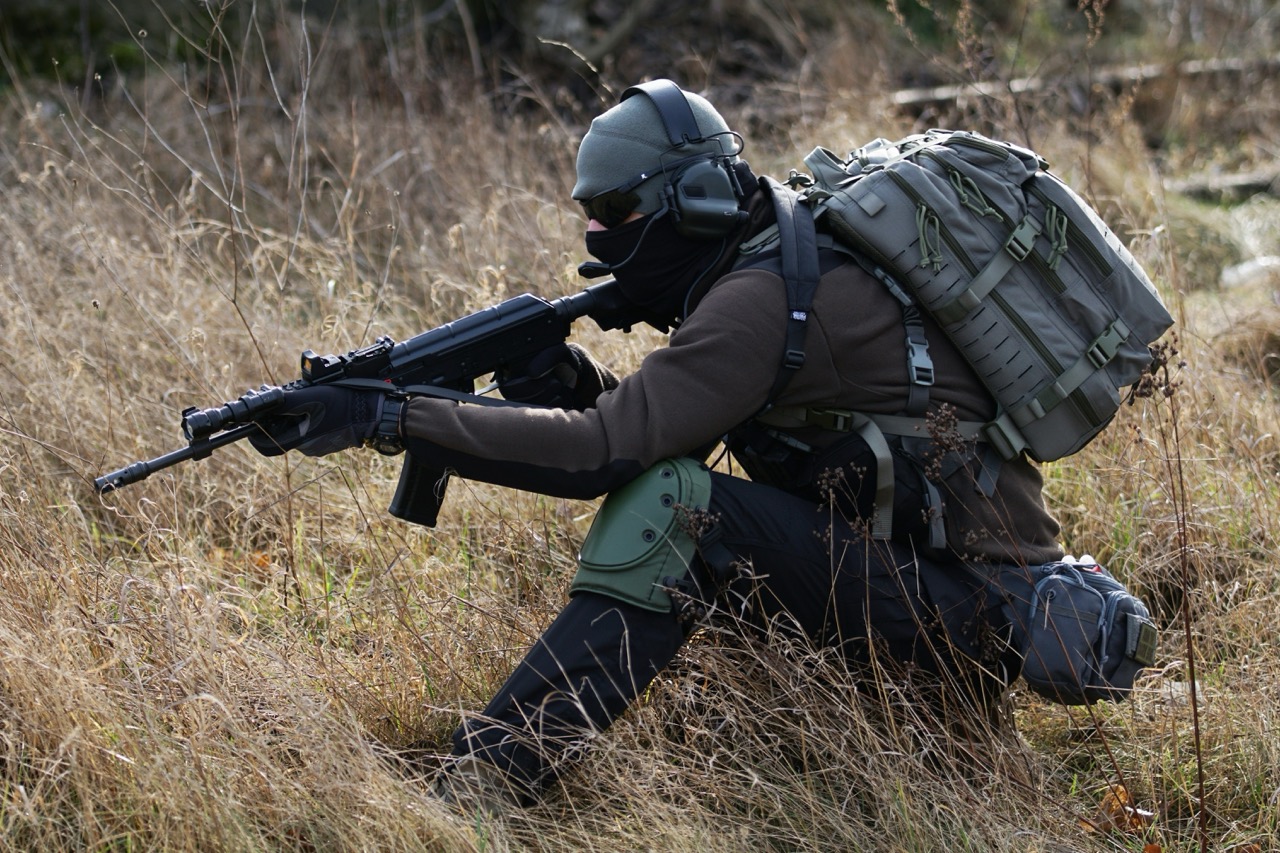
Every airsoft field has some version of the same rule posted at check-in: rated eyewear, no exceptions. What often gets skipped is an explanation of what “rated” actually means. The rating in question almost always traces back to ANSI Z87.1, the American National Standard for Occupational and Educational Personal Eye and Face Protection Devices, and understanding what it tests can save you from showing up with gear that looks the part but wouldn’t survive a direct hit.
What the Standard Actually Tests
ANSI Z87.1 is maintained by the International Safety Equipment Association and covers far more than airsoft; it’s the same standard that governs safety glasses on factory floors and in chemistry labs. The ISEA’s overview of the current Z87.1 revision lays out the two tiers that matter most to shooters: basic impact protection, marked simply Z87, which only requires passing a drop-ball test, and high-impact protection, marked Z87+, which additionally requires the lens and frame assembly to survive a high-mass projectile test and a high-velocity projectile test fired at roughly 150 feet per second. Since a full assembly is only as strong as its weakest part, a lens rated Z87+ mounted in a frame that isn’t tested to the same level does not make the whole product high-impact rated.
Why the Distinction Matters on the Field
Airsoft BBs regularly travel well above that 150 feet per second high-velocity test threshold, particularly from sniper-class replicas or DMRs. That is exactly why fields insist on Z87+ eyewear rather than basic Z87 glasses, and why regular prescription or fashion sunglasses, however dark the tint, have no place on the field regardless of how solid they feel. This isn’t unique paranoia invented by airsoft communities. Workplaces face the same logic under OSHA’s eye and face protection requirement, 29 CFR 1910.133, which mandates rated protection anywhere flying particles or projectiles are a hazard, and research summarized in a review of sports-related ocular injuries published through the National Institutes of Health found that a large share of preventable eye trauma in recreational shooting sports traces directly back to skipped or inadequate eyewear.
Reading the Markings
Legitimate Z87.1-rated eyewear carries its markings stamped or molded directly into the lens and frame, not just printed on a hangtag that gets thrown away. Look for:
- The manufacturer’s logo or code on both the lens and the frame temple
- “Z87” for basic impact or “Z87+” for high impact, on both components
- Additional suffix letters if present, such as D3 for splash and droplet protection, which can matter for full-seal goggles used in muddy or wet conditions
If you cannot find these markings anywhere on a piece of eyewear, treat it as unrated until proven otherwise, no matter what a listing or box claims. This is worth double-checking with secondhand gear in particular, since a scuffed frame that’s had its markings worn away is functionally unrated even if it started life as a genuine Z87+ product.
Common Mistakes Worth Avoiding
The most frequent failure isn’t buying unrated gear outright; it’s letting rated gear degrade. Scratched, pitted, or yellowed polycarbonate lenses lose impact resistance over time and should be retired even if the frame is still comfortable. Gaps at the temple or brow on some spectacle-style safety glasses can also let a BB in at an angle, which is one reason many experienced players move toward full-seal goggles or masks once they start playing regularly in close-quarters environments. Whatever you choose, the rule of thumb stays the same: check the stamp, not the sticker price.
Fit Matters as Much as the Rating
A correctly rated pair of glasses that doesn’t actually fit your face still leaves you exposed. Spectacle-style safety glasses rely on close contact at the brow and temple to keep a BB from entering at an angle, and a frame that’s too wide, too narrow, or simply the wrong shape for your face can leave a gap even when it’s sitting on your nose correctly. This is part of why so many airsoft players eventually move to goggle-style eyewear with a foam gasket that seals directly against the skin, since a proper seal removes the guesswork around peripheral gaps entirely. If you do stick with spectacle-style glasses, take the time to adjust temple arms and nose pads until the fit is snug from every angle, not just straight ahead, and recheck that fit periodically since frames can loosen with repeated use.
Buying Secondhand or Budget Eyewear
Budget-rated eyewear is not automatically unsafe; plenty of inexpensive Z87+ glasses meet the same test requirements as pricier options; the certification process doesn’t care about brand recognition. What does matter is verifying the rating independently rather than trusting a seller’s description, particularly on marketplaces where mislabeled or counterfeit safety gear does occasionally show up. When in doubt, cross-reference the manufacturer and model against the ISEA’s published standard information, and treat any listing that can’t clearly show the Z87 or Z87+ marking as a pass.
