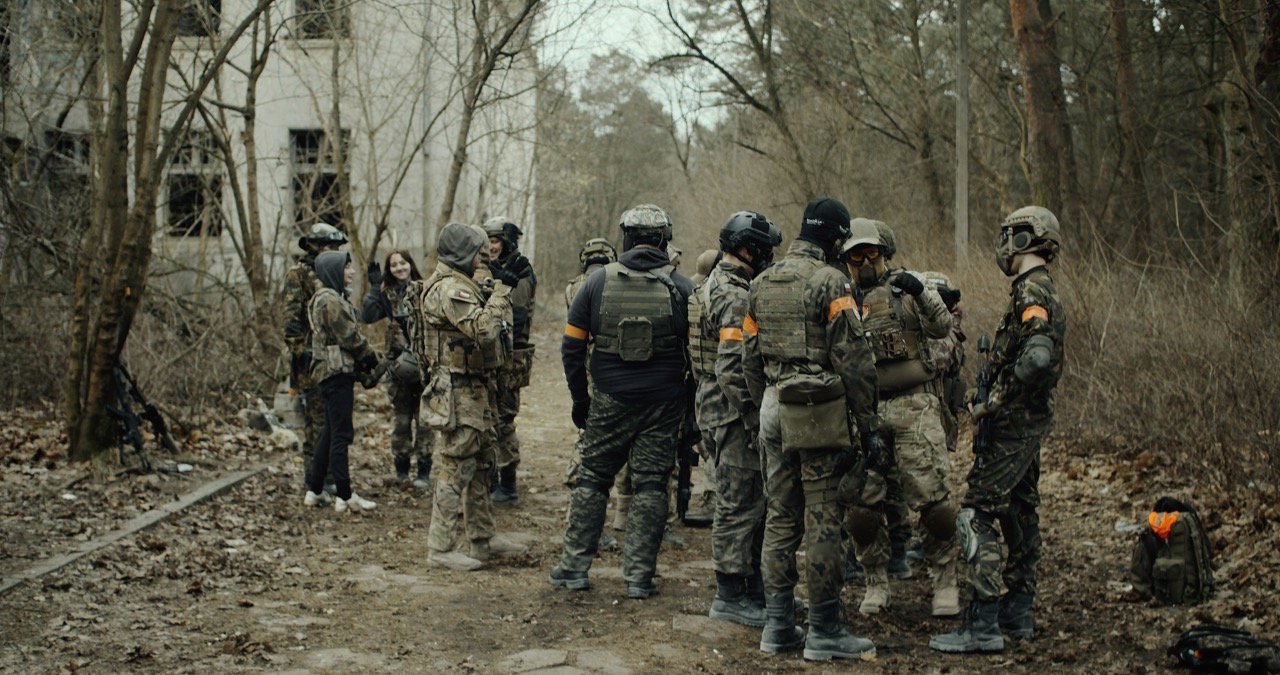
Ask ten airsoft players whether a full-face mask or a set of goggles is safer and you’ll get ten confident, slightly different answers. The honest answer is that both can be genuinely safe choices, provided they’re properly rated, but they protect different amounts of your face and carry different practical tradeoffs that are worth understanding before you buy either.
What Each Option Actually Covers
Goggles, even good ones, are built around the eye socket. A quality pair rated to the high-impact tier of ANSI Z87.1 will reliably stop a BB from reaching your eyes, but your lower face, nose, teeth, and ears remain exposed. A full-face mask extends that protection down across the jaw, mouth, and often the ears, using a rigid mesh or polycarbonate shield in front of the mouth and chin. The tradeoff is that this additional coverage typically adds weight, reduces peripheral airflow, and in mesh designs can reduce visual clarity compared to a clean polycarbonate lens.
The Case for Goggles
Goggles tend to fog less because they seal a smaller air pocket close to the eyes and often pair with anti-fog coatings or small vents. They’re lighter, which matters over a long game day, and they don’t interfere with speaking or drinking water between rounds. For outdoor woodland games with more engagement distance, many players find goggles alone provide adequate protection for the eyes specifically, which is the one area where injury risk is least tolerable, since a large share of preventable projectile-related eye trauma documented in sports-related ocular injury research reviewed through the National Institutes of Health involves exactly this kind of unprotected or under-protected impact.
The Case for Full-Face Masks
Close-quarters battle changes the calculation. Engagement distances inside buildings can drop to a few feet, and hits to the mouth, teeth, or jaw at close range are a real and repeatedly reported source of injury in indoor CQB fields. A rated full-face mask addresses that gap directly. Many fields that run predominantly indoor or close-range formats require full-face coverage for exactly this reason, independent of what they require for outdoor games. The same general PPE logic that governs workplace protective equipment selection under OSHA’s general PPE requirements, matching protection to the specific hazard rather than defaulting to the minimum, applies just as well here: assess the game format, then pick coverage accordingly.
Making the Call
A reasonable approach many experienced players land on:
- Outdoor, longer-range woodland games: rated goggles are often sufficient, paired with a separate lower-face mesh or shield if you want extra coverage without full weight
- Indoor CQB or short-range scenarios: a rated full-face mask is the safer default
- Any format where you’re unsure: check the specific field’s posted rules, since many fields require full-face coverage in certain zones regardless of personal preference
Whichever you choose, the ANSI-rated impact protection has to be present in the eye area itself; a mesh mask with unrated lenses over the eyes is not a safe substitute for properly rated goggles or a properly rated mask lens.
Fogging and Visibility Tradeoffs
Fogging is the single biggest practical complaint about full-face masks, and it’s a genuine tactical liability, not just an annoyance; a fogged lens that forces you to lift your mask mid-game to see clearly defeats the entire purpose of wearing it. Mesh-style full-face masks avoid fogging almost entirely since air passes straight through, but the tradeoff is reduced clarity and a slight dimming effect, particularly in low light. Solid-lens masks and goggles look clearer in good lighting but need anti-fog coatings, treated inserts, or ventilation to stay usable once you start breathing hard. If you play mostly high-intensity, high-exertion formats, factor fog resistance into your choice as heavily as impact rating and coverage area, since gear you have to keep wiping down mid-round isn’t functioning as protection at that moment.
Cost and Maintenance Over Time
Full-face masks tend to cost more upfront than a comparable pair of rated goggles, and mesh versions in particular need periodic cleaning to keep the weave from degrading or corroding. Goggles are generally cheaper to replace outright when a lens becomes scratched or pitted, which matters since any impact-rated lens should be retired once its surface is visibly damaged regardless of how the frame looks. Budgeting for eventual replacement, rather than treating either option as a one-time purchase, is a more realistic way to think about long-term cost between the two.
