Your First Airsoft Game: What to Expect
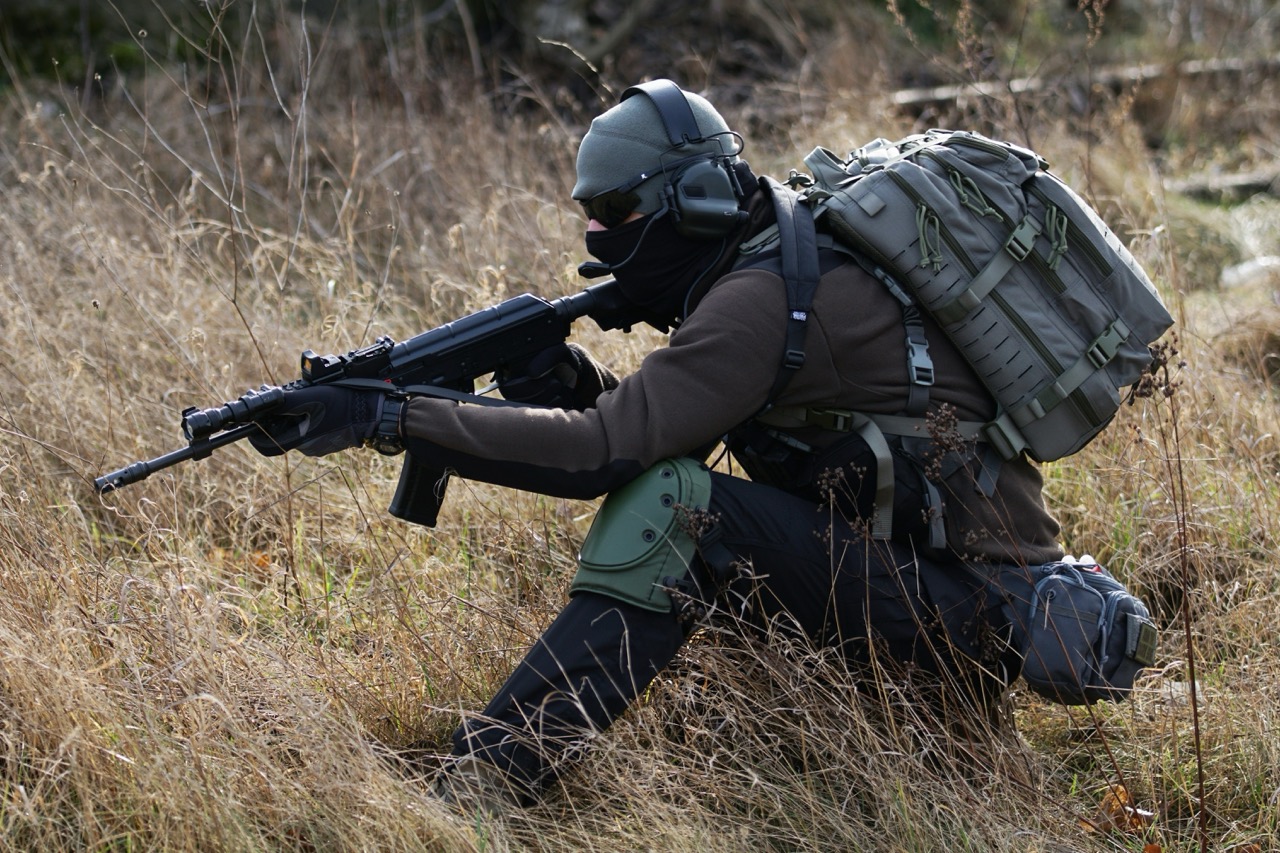
Nerves before a first airsoft game are completely normal, usually driven by not knowing what the actual sequence of events looks like. Here's a realistic walkthrough so you can show up prepared rather than guessing.
Check-In and Waivers
Expect to sign a liability waiver before you're allowed near the field, standard practice at essentially every organized venue. Staff will typically go over the field's specific rules verbally as well, even if you've read them online beforehand, since local variations on engagement distance and hit-calling are common.
Chronographing Your Replica
If you brought your own gun, expect it to be chronographed, meaning staff fire it through a velocity meter to confirm it falls within the field's FPS limit before you're allowed to play. Rental guns are pre-checked, so this step is skipped if you're renting. Bring your replica set conservatively below the posted limit; showing up right at the edge risks failing the check over minor variance.
Gearing Up
Before you touch a replica on the field, you'll be putting on rated eye protection, and often lower-face protection as well. Treat this as completely non-negotiable rather than an inconvenience. The injury risk from unprotected eyes in any sport involving fired projectiles is well documented, with research on sports-related ocular trauma specifically noting that a large share of these injuries are preventable with proper equipment, according to a review published through the National Institutes of Health. Good eyewear for this purpose is rated to ANSI Z87.1 or an equivalent recognized impact standard, the same baseline OSHA points to for eye and face protection in industrial settings; it should seal well enough that BBs can't sneak in around the edges.
The Safety Briefing
Expect a briefing covering the game format, respawn points if applicable, boundaries, and any special rules for the day's scenario. Pay close attention to minimum engagement distances and blind-fire rules; these are the two rules new players violate most often, usually by accident rather than malice.
During the Game
- Call your own hits immediately and loudly; hesitating undermines the entire honor system the sport runs on
- Keep your finger off the trigger and your muzzle pointed safely when not actively engaging
- Expect to get hit a lot in your first game; everyone does, and it's not a reflection of skill
- Stay hydrated and take breaks; adrenaline masks fatigue more than people expect
After You're "Out"
Most fields use a marker, like a raised hand, an orange flag, or a dead-rag draped over your headgear, to signal you're eliminated and walking back to a designated area. Follow the field's specific convention; it keeps eliminated players from accidentally getting shot again or wandering back into a live line of fire.
Common First-Game Surprises
A few things catch nearly every newcomer off guard. Gear feels heavier after an hour than it did in the parking lot. Rated eye protection fogs up when you're breathing hard, which is annoying but not a reason to remove it mid-round; wait for a designated safe period. Teammates you've never met before will often loop you into a plan within the first twenty minutes, since most regular players are happy to fold a newcomer into their squad rather than leave them wandering alone. And the honor system, which sounds fragile on paper, tends to work remarkably well in practice once you've seen it in action for a single round.
End of Day
Expect general soreness the next day, a handful of light welts if you took hits at closer range than ideal, and very likely a genuine desire to book your next session already. First games are rarely someone's last. If anything felt unclear during the day, a quick question to field staff after the last round is a good habit; most are glad to explain something you missed, and it sets you up to walk into your second game with a lot less uncertainty than your first.
More from the blog
All posts →Essential Tools Every Airsoft Technician Should Own
A well-stocked toolbox turns gearbox surgery from a stressful gamble into a routine afternoon project.
August 26, 2026How to Clean and Maintain Your Airsoft Gun
A regular cleaning routine keeps your airsoft replica shooting straight and lasting longer, and most of it takes less time than a single game rotation.
August 25, 2026Radio Communication Basics for Airsoft Teams
A beginner-friendly introduction to using radios in airsoft: call signs, brevity, and the basic discipline that keeps a channel useful instead of chaotic.
August 24, 2026