Choosing Your First Airsoft Gun: A Buyer's Primer
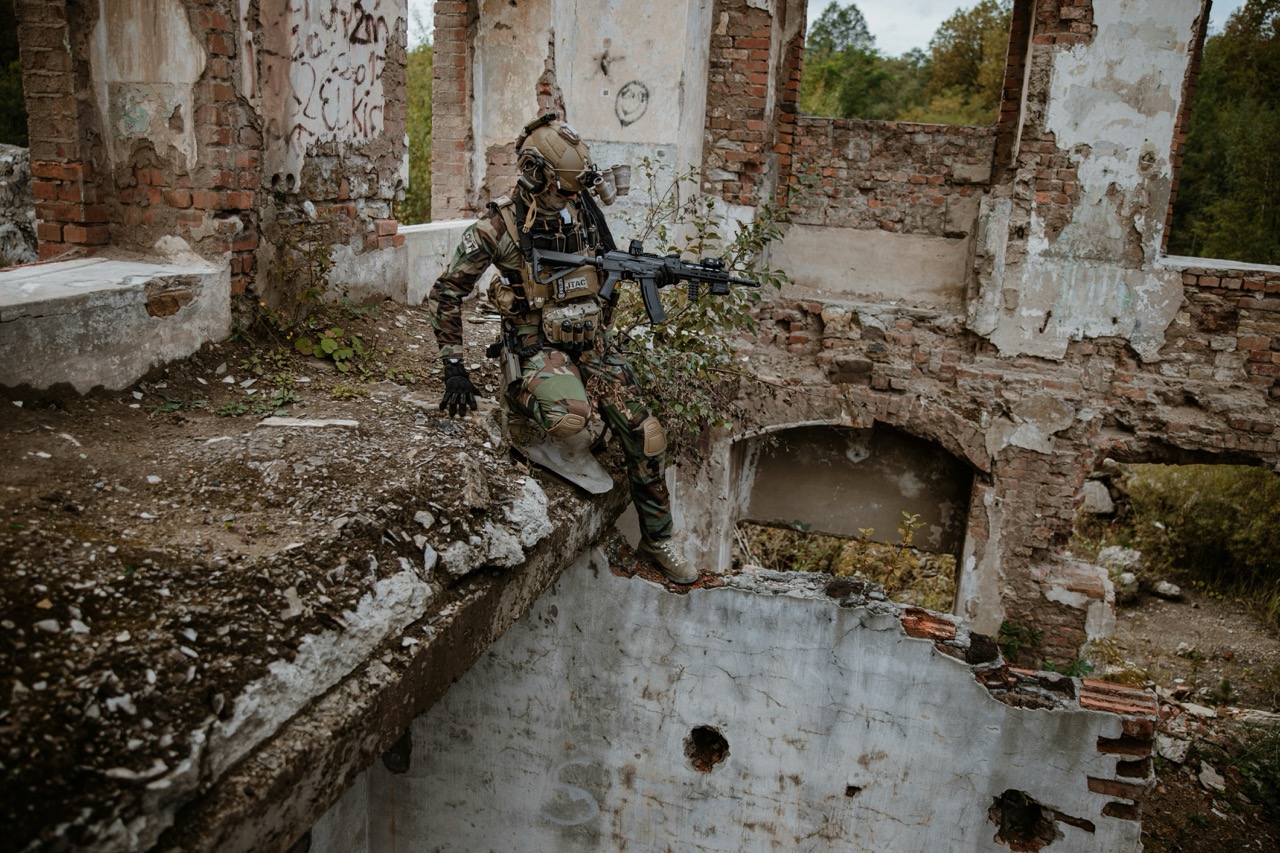
New players almost always start their gear research by looking at replicas that look cool, which is understandable but backwards. The better starting question is what platform suits how you'll actually play, since a beautifully detailed replica that doesn't fit your play style or maintenance patience will end up gathering dust.
Start With the Platform, Not the Model
The overwhelming majority of first-time buyers should start with an AEG (Automatic Electric Gun). AEGs are battery-powered, mechanically consistent, relatively easy to maintain, and don't require the ongoing gas refills or air tank management that GBB and HPA platforms need. Gas and HPA replicas both have real strengths, more realistic recoil and cycling for GBB, extremely consistent and tunable output for HPA, but both add a layer of logistics and maintenance a total beginner usually doesn't want to juggle on top of everything else they're learning.
Match the Replica to Your Play Style
- Close-quarters / speedsoft: Favor a lighter, compact replica with a fast trigger response and reliable semi-auto performance over raw range
- Outdoor field play: A standard rifle-length AEG with a mid-range hop-up and decent effective range covers most scenarios well
- Milsim / designated marksman: Consider a DMR-style AEG or spring-powered bolt-action platform, usually allowed higher FPS limits with a minimum engagement distance restriction
- Pistol backup / sidearm: A GBB pistol is a common secondary purchase once your primary is sorted, valued for realistic blowback feel
Don't Ignore Build Quality and Internals
Two replicas that look nearly identical externally can have wildly different internal build quality, gearbox material, motor type, and wiring. A cheaply built gearbox will strip gears or fail sooner under regular use, while a well-built one, even in a budget-tier replica, can run reliably for years with basic maintenance. If you're unsure, ask experienced players or field staff for their honest opinion on a specific model's reliability track record rather than trusting marketing copy alone.
Factor In FPS and Field Compatibility
Check the FPS output of any replica you're considering against the limits of the fields you'll actually play at. A replica shooting well above a field's outdoor limit isn't a bonus; it just means you'll need to have it adjusted, which usually means a spring or shim change, before you're allowed to play. Buying something already close to your local field's limit avoids that extra step and expense.
Budget for the Battery, Not Just the Gun
An AEG is only as good as its power source, and that means factoring battery chemistry into your first purchase. Many entry-level AEGs ship configured for NiMH batteries, which are more forgiving of minor mishandling, while more advanced setups often use LiPo batteries for better performance, at the cost of needing more careful charging and storage discipline. Regardless of which chemistry you choose, treat charging and storage seriously: damaged or improperly charged lithium-based batteries are a documented fire risk, and the U.S. Fire Administration's guidance on lithium-ion battery safety and similar guidance from local fire departments, such as Miami-Dade Fire Rescue's lithium-ion battery safety page, are worth reading before your first charge cycle.
Weight and Ergonomics Matter More Than Spec Sheets
It's easy to fixate on FPS numbers and gearbox version while overlooking something that affects every single minute you spend holding the replica: how it actually feels in your hands over a full day. A replica that's slightly heavier or more front-heavy than you expect can become genuinely tiring to hold at the ready for hours, especially for smaller or newer players still building up the relevant muscle endurance. If possible, handle a replica in person, or at minimum check its listed weight against something you already own for comparison, before committing to a purchase based on photos and spec sheets alone. Stock length and grip size matter here too; a replica built around a larger frame can feel awkward for a smaller player regardless of how well-reviewed the internals are, and an adjustable stock is a small feature that solves a surprisingly common comfort complaint from new buyers.
The Bottom Line
Buy the platform that matches how you'll play, verify it's compatible with your local field's rules, and budget realistically for the battery and charger that go with it. Everything else, brand, appearance, accessory rails, matters far less to your first year of enjoyment than getting these fundamentals right.
More from the blog
All posts →Essential Tools Every Airsoft Technician Should Own
A well-stocked toolbox turns gearbox surgery from a stressful gamble into a routine afternoon project.
August 26, 2026How to Clean and Maintain Your Airsoft Gun
A regular cleaning routine keeps your airsoft replica shooting straight and lasting longer, and most of it takes less time than a single game rotation.
August 25, 2026Radio Communication Basics for Airsoft Teams
A beginner-friendly introduction to using radios in airsoft: call signs, brevity, and the basic discipline that keeps a channel useful instead of chaotic.
August 24, 2026