Airsoft Etiquette: Unwritten Rules Every Player Should Follow
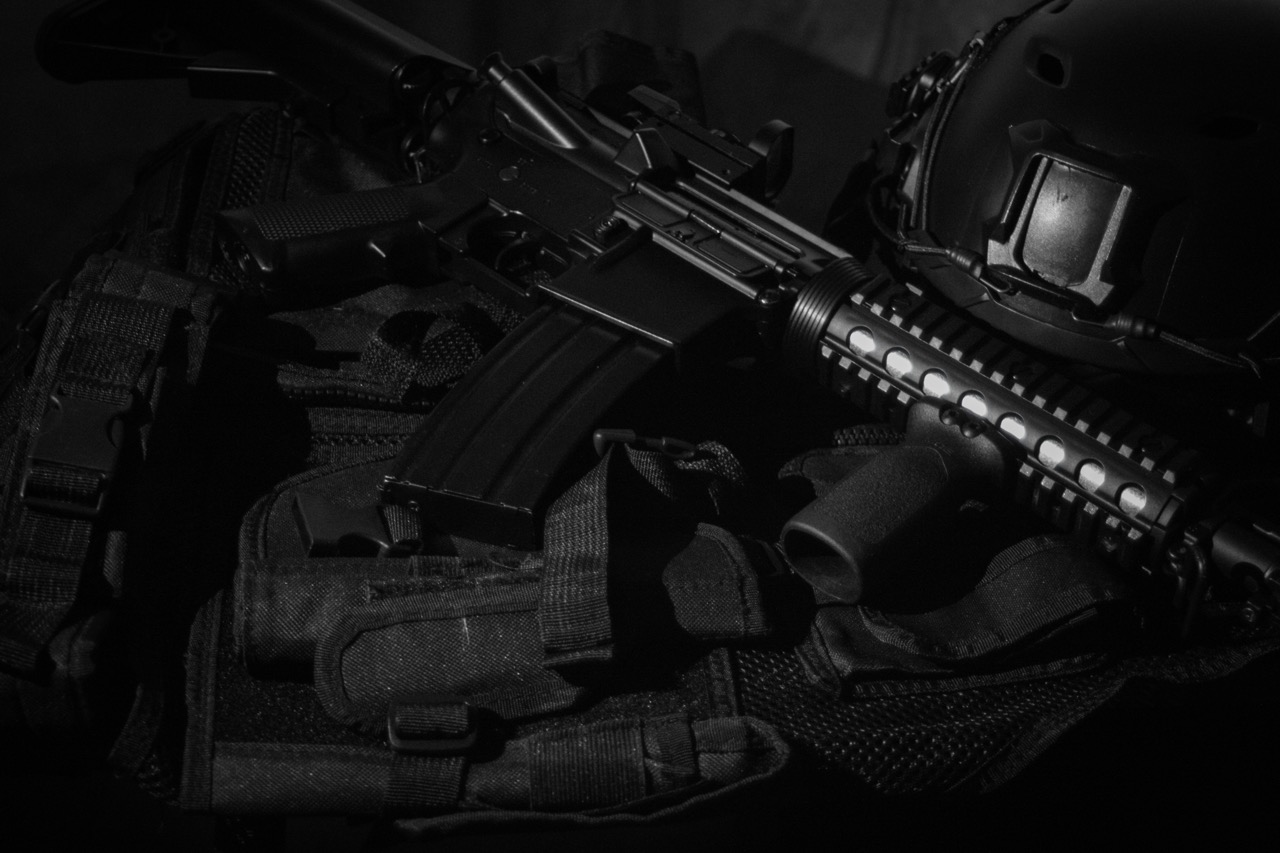
Every airsoft field has an official rulebook covering FPS limits and boundaries, but there's a second, unwritten set of norms that governs how good players actually behave on the field. Learning these early will make you a welcome addition to any game rather than the person other players quietly complain about afterward.
Call Your Hits, Every Time
The single most important unwritten rule in airsoft is honest hit-calling. If you feel a hit, even a light one you're not entirely sure about, you call yourself out. There's no referee confirming every shot, so the entire sport depends on players policing themselves. Someone who consistently "doesn't feel" clean hits earns a reputation fast, and it's not a good one.
Don't Overshoot Someone Who's Already Out
Once a player signals they're eliminated, typically by raising a hand, waving an orange flag, or draping a dead rag over their gear, stop engaging them immediately. Continuing to fire at an eliminated player is considered poor form at best and genuinely unsafe at worst, especially in close quarters.
Respect Minimum Engagement Distance
Fields set minimum engagement distances specifically to reduce injury risk at close range, and ignoring that rule "because it's just a game" is one of the fastest ways to actually hurt someone. This isn't only about comfort; it connects directly to why fields enforce FPS limits and mandatory rated eye protection in the first place, since close-range impacts concentrate energy in ways that longer-range hits don't. The logic mirrors the reasoning behind consensus eye-protection standards that OSHA references for workplace hazards involving flying particles and impact risk.
Never Remove Eye Protection on an Active Field
- Not to wipe fog off the lens
- Not to take a "quick" photo
- Not because the game feels paused nearby
- Only in a designated safe zone, confirmed as cold by field staff
This one isn't really etiquette so much as a hard safety line, but new players violate it constantly out of habit or impatience, and experienced players will call it out immediately when they see it, because the injury research behind mandatory eyewear rules is not theoretical. A review of sports-related ocular injuries from the National Institutes of Health notes that a large share of these injuries happen in exactly these unguarded moments.
Manage Your Own Gear Failures Gracefully
Guns jam, batteries die, hop-ups slip. When it happens mid-game, the expected move is to call yourself safe (a common convention is raising your gun overhead or shouting "safety" or a similar field-specific term), step out of active engagement, and resolve the issue away from the firing line rather than fumbling with it in the open.
Don't Be the Rules Lawyer
Airsoft depends on goodwill more than strict adjudication. Arguing aggressively over a hit call, especially one that wasn't clearly seen by anyone else, sours the atmosphere for everyone nearby. If there's a genuine dispute, involve a marshal or field staff calmly rather than escalating it yourself.
Share Gear Generously With Newcomers
If you're carrying spares, extra magazines, a backup battery, a bottle of water for someone who ran out, offering them to a struggling newcomer costs you very little and often makes the difference between someone having a great first day and a frustrating one. This kind of small generosity is part of what keeps local scenes tight-knit rather than cliquish.
Keep Loud Celebrations and Trash Talk in Check
A clean elimination is satisfying, but excessive celebration or trash talk aimed at whoever you just hit tends to read as poor sportsmanship rather than confidence. Most experienced players keep it low-key: call the hit, acknowledge it was a good shot if it was, and move on to the next engagement.
Help New Players
Most veteran players remember their own first confusing game, and the community generally rewards people who take a few minutes to explain rules to a visibly new player rather than laughing at their mistakes. Pass that forward; it's a large part of why the hobby's culture holds together as well as it does.
Why These Norms Matter More Than the Rulebook
A written rulebook can cover FPS limits and boundaries, but it can't cover every social interaction that happens across a full day of play. The unwritten etiquette above is really just an extension of the same principle behind the sport's official safety rules: mutual respect and honest self-policing are what let dozens of strangers safely run around a field with replica firearms all day without a referee watching every single engagement.
More from the blog
All posts →Essential Tools Every Airsoft Technician Should Own
A well-stocked toolbox turns gearbox surgery from a stressful gamble into a routine afternoon project.
August 26, 2026How to Clean and Maintain Your Airsoft Gun
A regular cleaning routine keeps your airsoft replica shooting straight and lasting longer, and most of it takes less time than a single game rotation.
August 25, 2026Radio Communication Basics for Airsoft Teams
A beginner-friendly introduction to using radios in airsoft: call signs, brevity, and the basic discipline that keeps a channel useful instead of chaotic.
August 24, 2026